
CHEMISTRY GLOSSARY
Buchner flask → Buchnerova tikvica
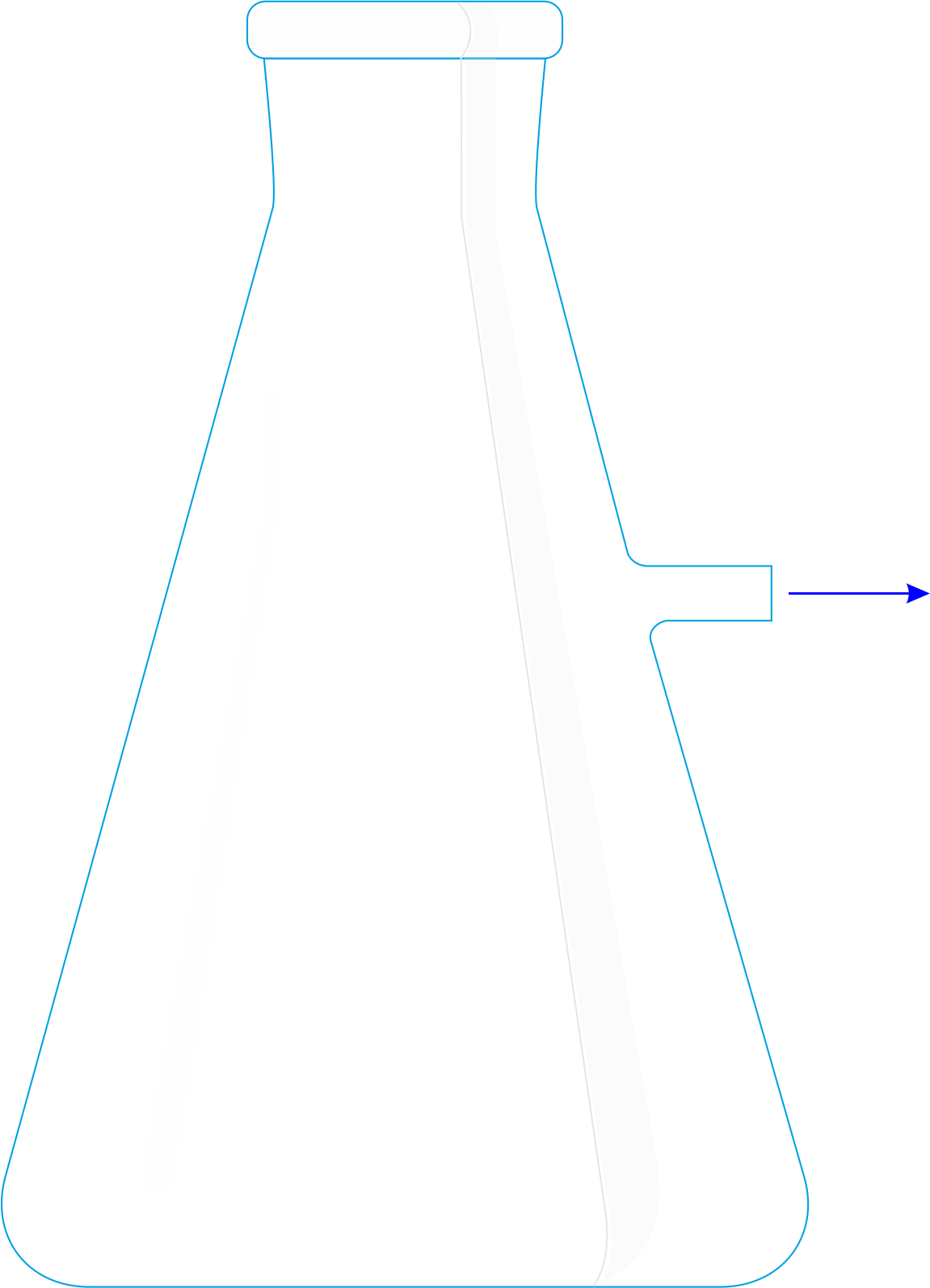
Büchner flask (also known as a vacuum flask, filter flask, side-arm flask or Kitasato flask) is a thick-walled Erlenmeyer flask with a side arm to which a vacuum can be applied.
Dewar flask → Dewarova posuda
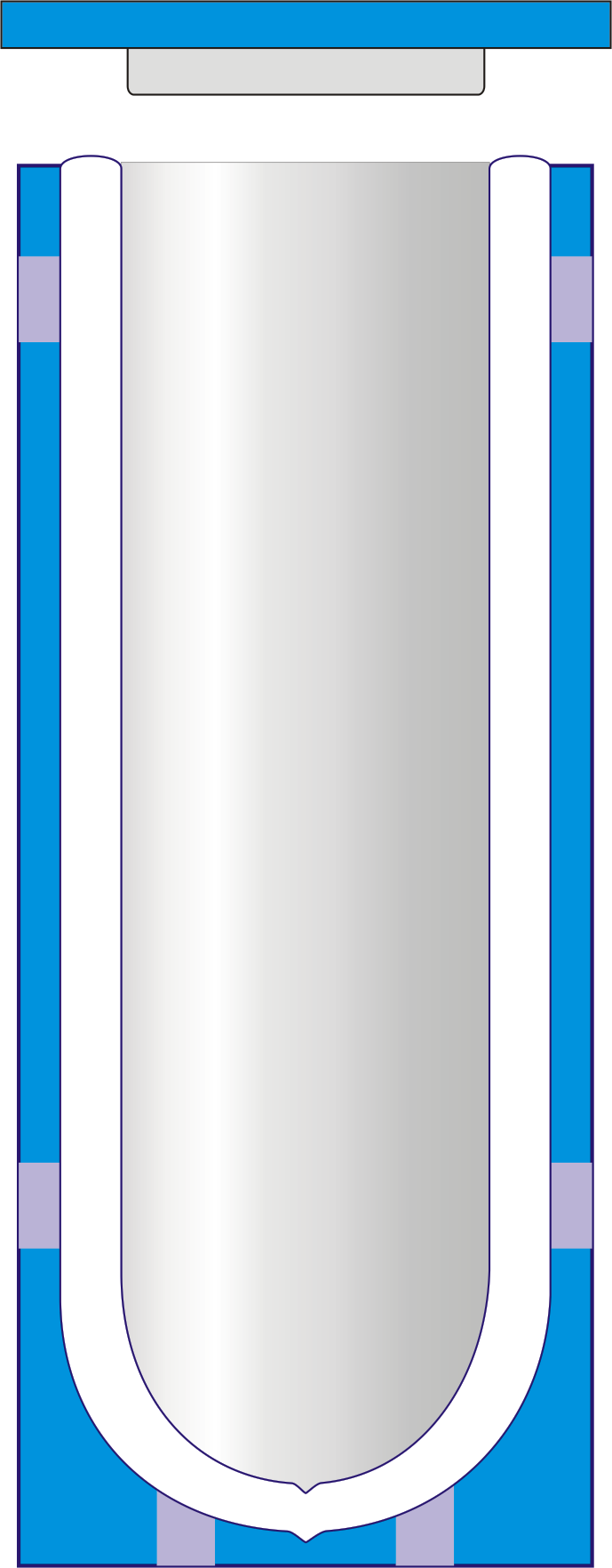
Dewar flask or vacuum bottle is a container for storing hot or cold substances. It consists of two flasks, one placed inside the other, with a vacuum between. The vacuum prevents the conduction of heat from one flask to the other. For greater efficiency the flasks are silvered to reflect heat. The substance to be kept hot or cold, e.g., liquid air, is contained in the inner flask. The flask is named after British chemist and physicist Sir James Dewar (1842-1923). Dewar invented the Dewar flask in 1892 to aid him in his work with liquid gases. The common thermos bottle is an adaptation of the Dewar flask.
Erlenmeyer flask → Erlenmeyerova tikvica
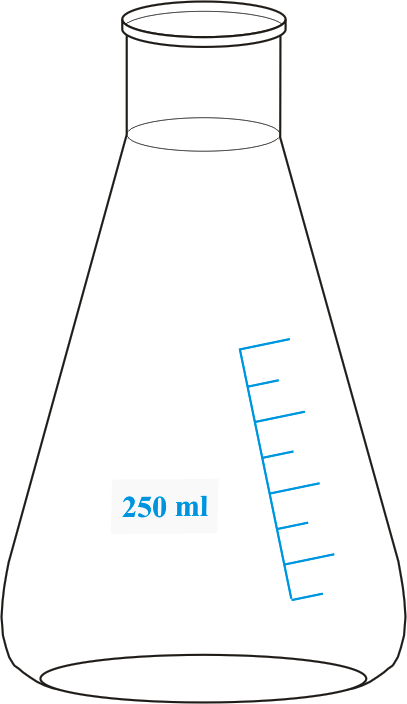
Erlenmeyer flask is a glass container which has a narrow, cylindrical mouth and a cone-shaped main body that ends in a wide, flat bottom. It was named after its inventor, a German chemist Richard Erlenmeyer (1825-1909). Erlenmeyer flasks are most often used in titrations to hold the liquid that is being titrated.
filter flask → boca za odsisavanje
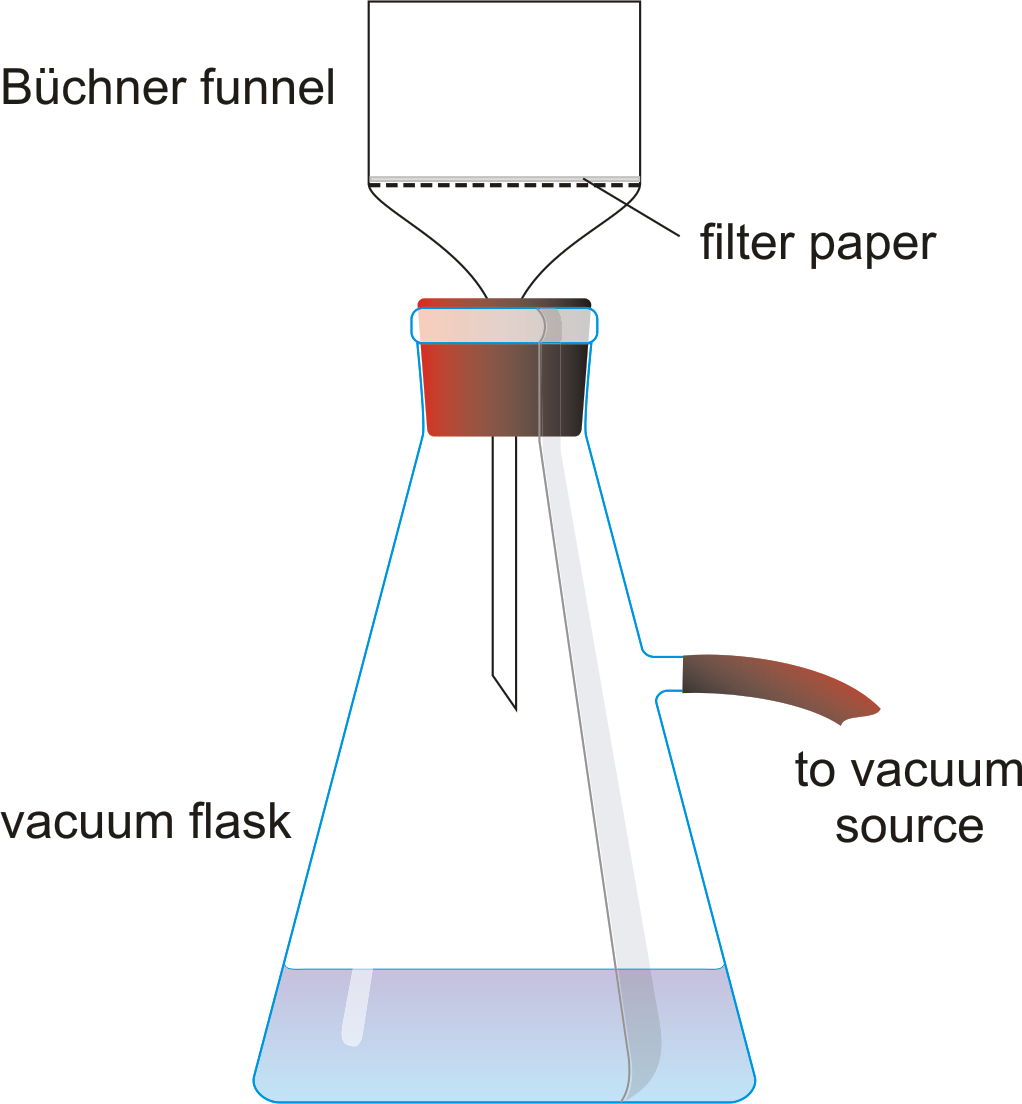
Filter flask, also known as a vacuum flask, is a flask with a side arm to which a vacuum can be applied. It usually have heavy side walls to withstand high vacuum.
Kjeldahl flask → Kjeldahlova tikvica
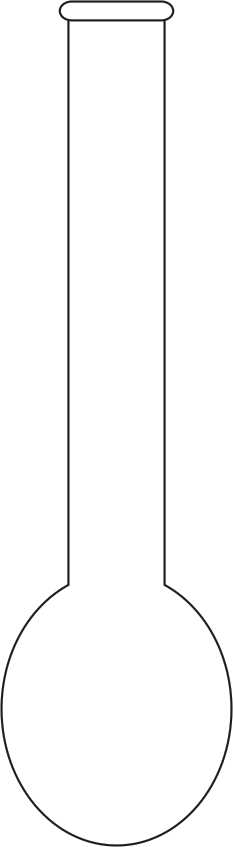
Kjeldahl flask is a round bottom flask with a long wide neck that is used in the determination of nitrogen by Kjeldahl’s method. The method was developed by the Danish chemist Johan Kjeldahl (1849-1900).
volumetric flask → odmjerna tikvica
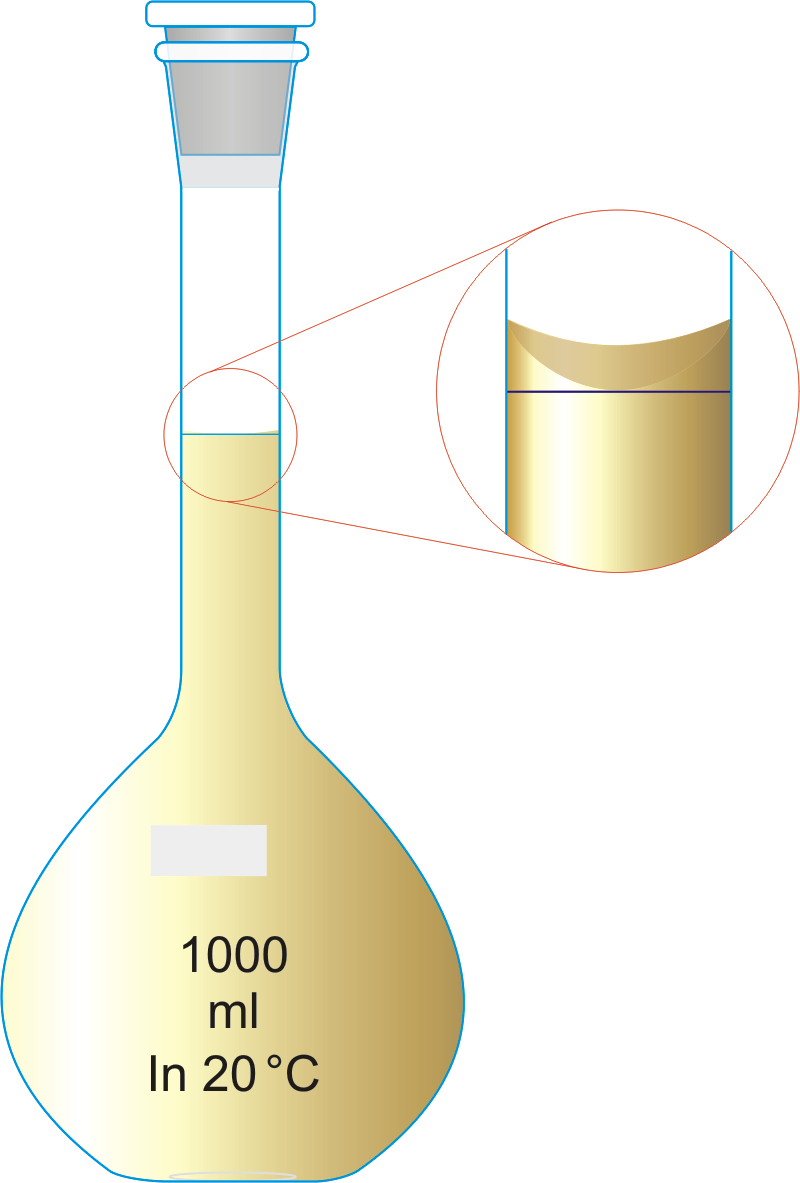
Volumetric flasks are bottles made of glass, in a pear like in shape with long thin necks and flat bottoms. All come with a ground glass stopper for a tight seal. Volume marking is cut in glass with fluoride acid around the neck, so that parallax should be avoided (flask is put in front of the eyes so that one can see only a straight horizontal line). A volumetric flask is calibrated to contain (TC or In) the indicated volume of water at 20 °C when the bottom of the meniscus is adjusted to just rest on the center of the line marked on the neck of the flask. They are used for preparing the exactly known volume of sample solution and standard solutions of reagents. On each flask with volume designation a temperature on which the flask has been calibrated is designated.
flash point → temperatura zapaljenja
Flash point is the lowest temperature at which a liquid or volatile solid gives off vapour sufficient to form an ignitable mixture with the air near the surface of the liquid or within the test vessel (NFPA).
flashback → uskakanje plamena
Flashback occurs when the flame in a gas torch burns back into the torch or hose; this is often accompanied by a hissing or squealing sound, and a pointed or smoky flame.
Kjeldahl’s method → Kjeldahlov postupak
Kjeldahl’s method is an analytical method for determination of nitrogen in certain organic compounds. The method was developed by the Danish chemist Johan Kjeldahl (1849-1900).
It involves addition of a small amount of anhydrous potassium sulphate to the test compound, followed by heating the mixture with concentrated sulphuric acid, often with a catalyst such as copper sulphate. As a result ammonia is formed. After alkalyzing the mixture with sodium hydroxyde, the ammonia is separated by distillation, collected in standard acid, and the nitrogen determined by back-titration.
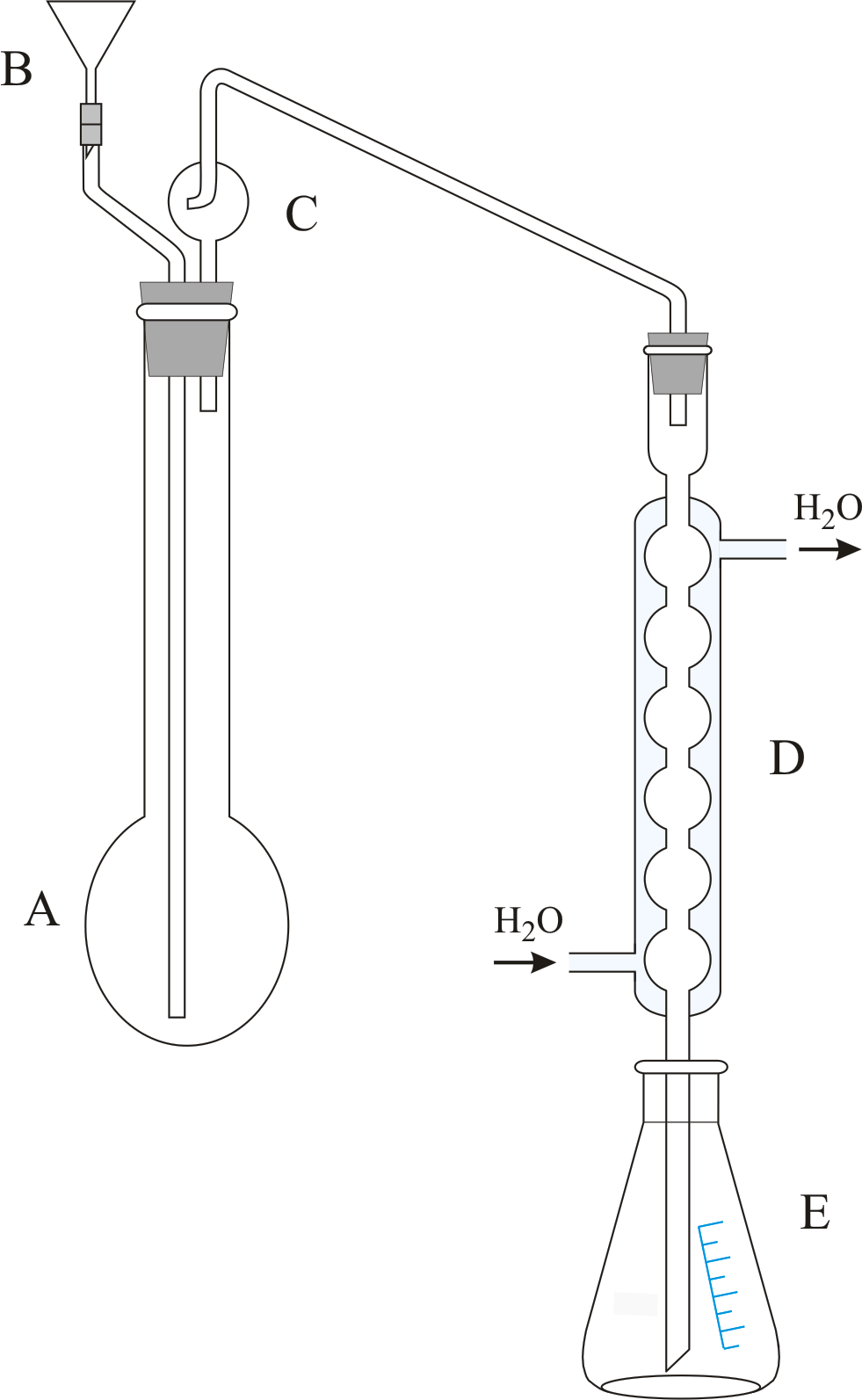
- Kjeldahl flask for decomposition (500 ml – macro or 100 ml - micro)
- funnel for alkaline solution
- Wagner tube (drop catcher)
- condenser
- absorption flask with known volume of standard acid
Citing this page:
Generalic, Eni. "Kjeldhal flask." Croatian-English Chemistry Dictionary & Glossary. 29 June 2022. KTF-Split. {Date of access}. <https://glossary.periodni.com>.


 English


