
CHEMISTRY GLOSSARY
fuel cell → gorivi članak
Fuel cell is a device that converts chemical energy into electrical energy. It is different from a battery in that the energy conversion continues as long as fuel and oxidising agent are fed to the fuel cell; that is, in principle indefinitely. (A battery is manufactured with a limited amount of chemicals, and it is exhausted when all the chemicals have reacted.) It is a galvanic cell where spontaneous chemical reactions occur at the electrodes. The fuel is oxidised at the anode, and the oxidising agent (almost always oxygen or air) is reduced at the cathode. Presently, the most commonly used fuel is hydrogen. More conventional fuels (e.g., petrol or natural gas) must be converted (reformed) into hydrogen before they can be utilised in a fuel cell.
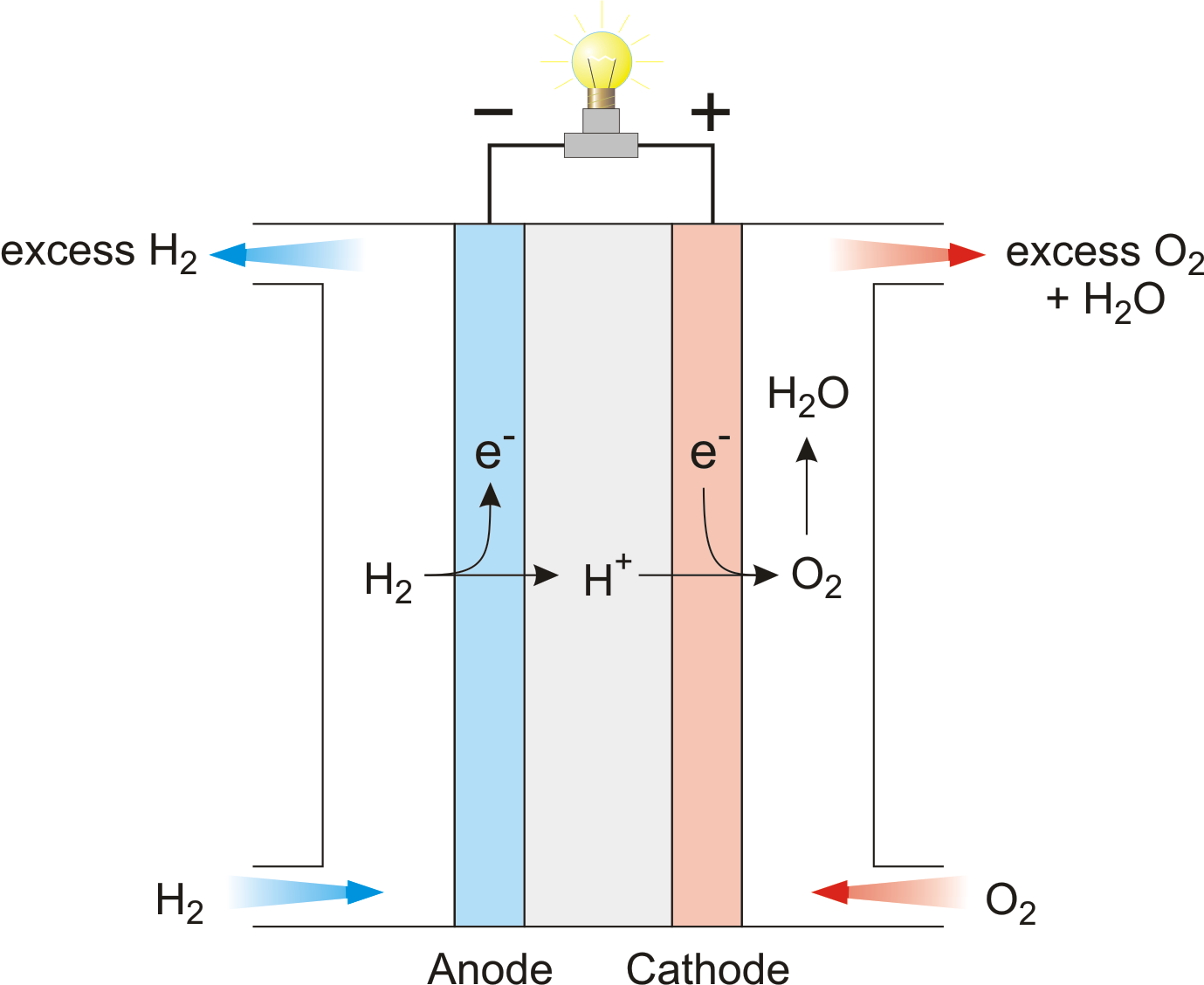
Some fuel cells employ an aqueous solution as electrolyte, that can be either acidic or basic (alkaline), or an ion-exchange membrane soaked in aqueous solution can act as the electrolyte. These fuel cells operate at relatively low temperatures (from room temperature to not much above the boiling point of water). Some fuel cells employ molten salts (especially carbonates) as electrolytes and have to operate at temperatures of several hundred degrees centigrade (Celsius). Others employ ionically conductive solids as electrolyte and must operate close to 1 000 °C.
superconductivity → supravodljivost
Superconductivity is the phenomenon in which certain metals, alloys, and compounds below a certain temperature, the transition point (Tc), lose electrical resistance and magnetic permeability, i.e. have infinite electrical conductivity (Meissner effect and Josephson effect).
fume hood → digestor
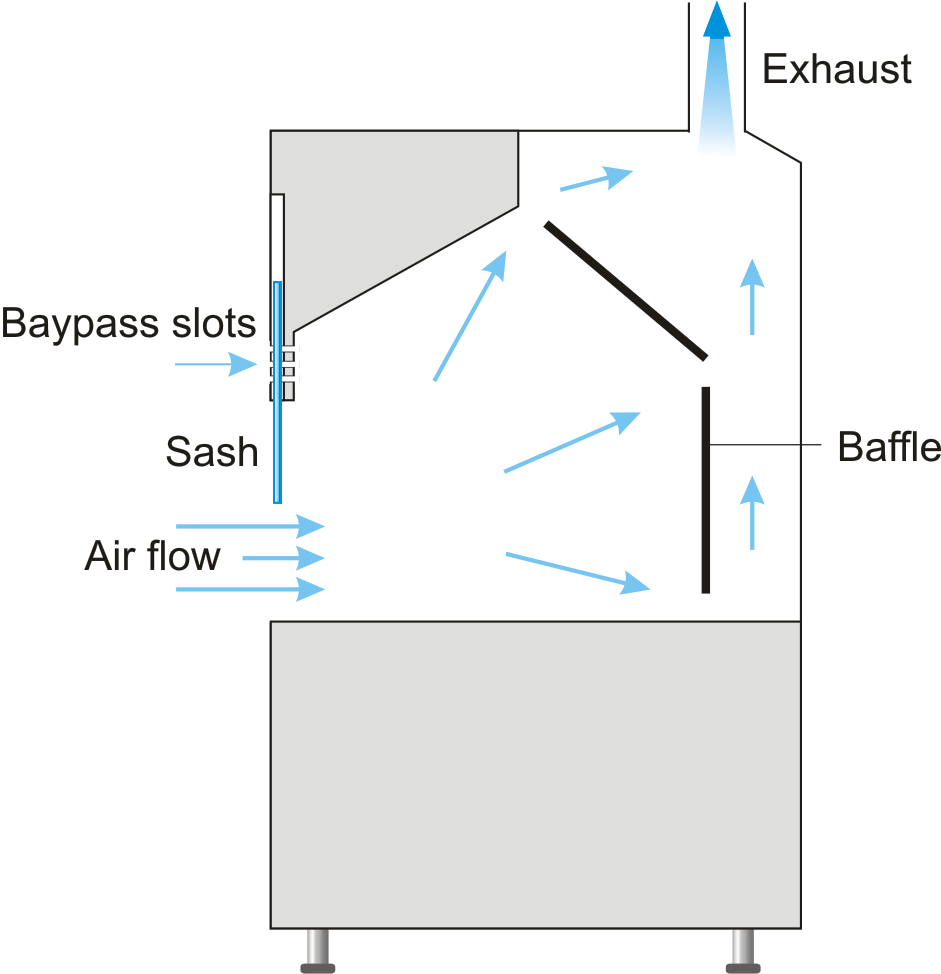
Fume hood is a type of local exhaust ventilation system (engineering control). A typical fume hood is cabinet with a moveable front sash (window) made out of safety glass. Air is drawn into the hood under and through the opened sash and is exhausted through openings in the rear and top of the cabinet to a remote point such as an exhaust stack on the roof of the building. A properly used and properly functioning fume hood exhausts hazardous gases, dusts, mists, and vapors from a confined location and helps protect workers from inhalation exposure.
gas liquefying → ukapljivanje plinova
In order to achieve transition of a gas into liquid state it is necessary to lower its temperature, or decrease its volume, or increase its pressure. Above the critical temperature it is impossible to liquefy a gas. When liquefying a gas by Linde’s procedure, dampening or Joule-Thomson’s effect is used. First, the compressed air from the compressor is cooled with cooling water, the cooled air expands at a lower pressure in the dampening valve at which it cooled. The cooled air now returns to the compressor, cooling down the expanding air. By repeating this process the air is cooled enough to transit to the liquid state.
glycogen → glikogen
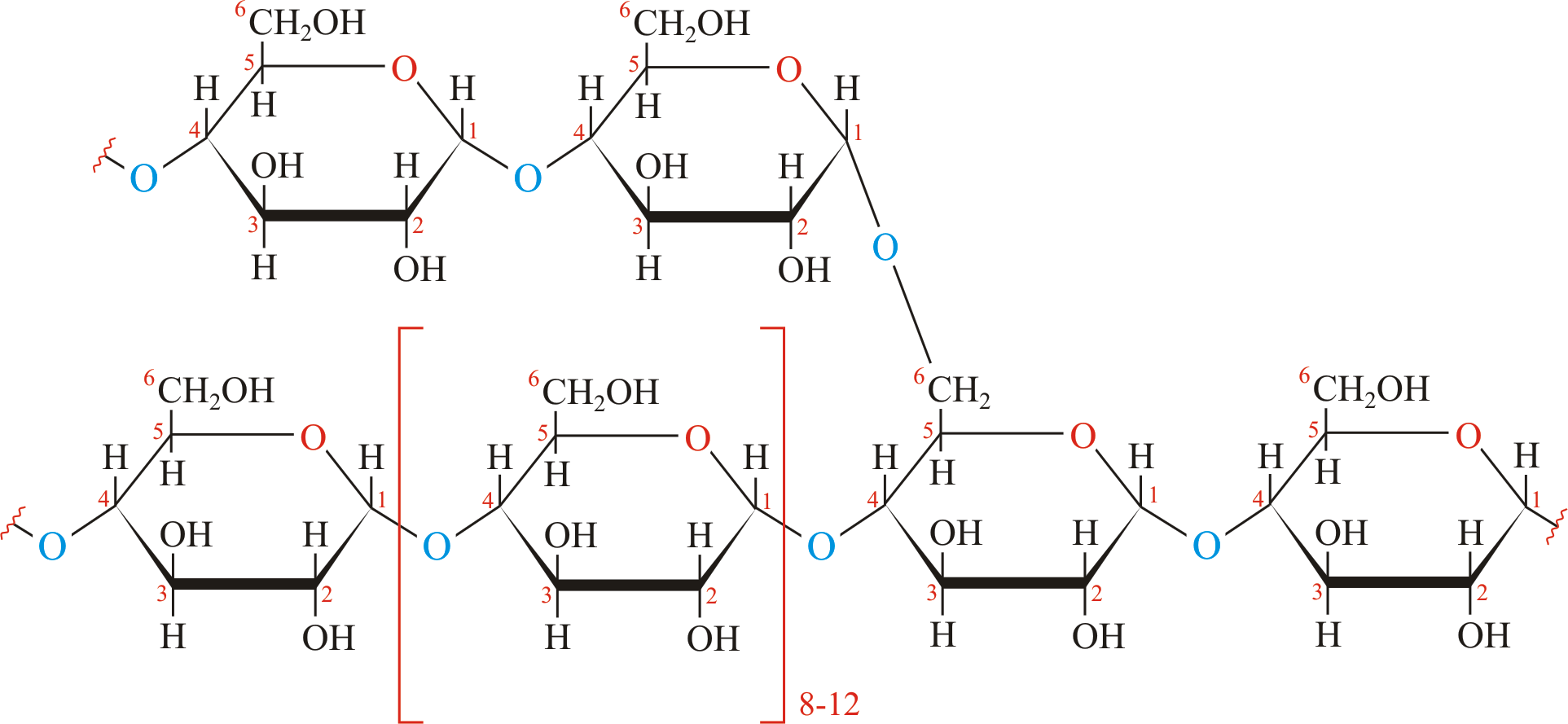
Glycogen (animal starch) is a polysaccharide that serves the same energy storage function in animals that starch serves in plants. Dietary carbohydrates not needed for immediate energy are converted by the body to glycogen for long term storage (principally in muscle and liver cells). Like amylopectin found in starch, glycogen is a polymer of α(1→4)-linked subunits of glucose, with α(1→6)-linked branches. Glycogen molecules are larger than those of amylopectin (up to 100 000 glucose units) and contain even more branches. Branch points occur about every 10 residues in glycogen and about every 25 residues in amylopectin. The branching also creates lots of ends for enzyme attack and provides for rapid release of glucose when it is needed.
superconductor → supervodič
Superconductor is a material that experiences a nearly total loss of electrical resistivity below a critical temperature Tc.
supercooled liquid → pothlađena tekućina
Supercooled liquids are liquids at temperatures below their normal freezing points.
terminal → terminalni
Terminal in chemistry means: the end of a polymer molecule and a point at which electron connections can easily be made or broken.
vacuum distillation → vakuum destilacija
Vacuum distillation is distillation under reduced pressure. The depression in the boiling point of the substance distilled means that the temperature is lower, which may prevent the substance from decomposing.
Citing this page:
Generalic, Eni. "Critical point." Croatian-English Chemistry Dictionary & Glossary. 29 June 2022. KTF-Split. {Date of access}. <https://glossary.periodni.com>.


 English

