
CHEMISTRY GLOSSARY
organoleptic testing → organoleptičko ispitivanje
Organoleptic testing of matter is a testing of matter and material using the senses of sight, smell, taste and touch, used usually when buying groceries.
Fehling’s test → Fehlingova otopina
Fehling’s test is a chemical test to detect reducing sugars and aldehydes in a solution, devised by the German chemist Hermann Christian von Fehling (1812-1885). Fehling’s solution consists of Fehling’s A (copper(II) sulphate solution) and Fehling’s B (sodium tartarate solution), equal amounts of which are added to the test solution. After boiling, a positive result is indicated by the formation of a brick-red precipitate of copper(I) oxide. Methanal, being a strong reducing agent, also produces copper metal; ketones do not react. The test is now rarely used, having been replaced by Benedict’s test.
ferrite → ferit
Ferrites are ceramic materials of the nominal formula MO·Fe2O3, where M is a divalent metal (Co, Mn, NI, or Zn). The ferrites show either ferrimagnetism or ferromagnetism, but are not electrical conductors, and they are used in high-frequency circuits as magnetic cores, in rectifiers on memory and record tapes, and various related uses in radio, television, radar, computers, and automatic control systems.
fructose → fruktoza
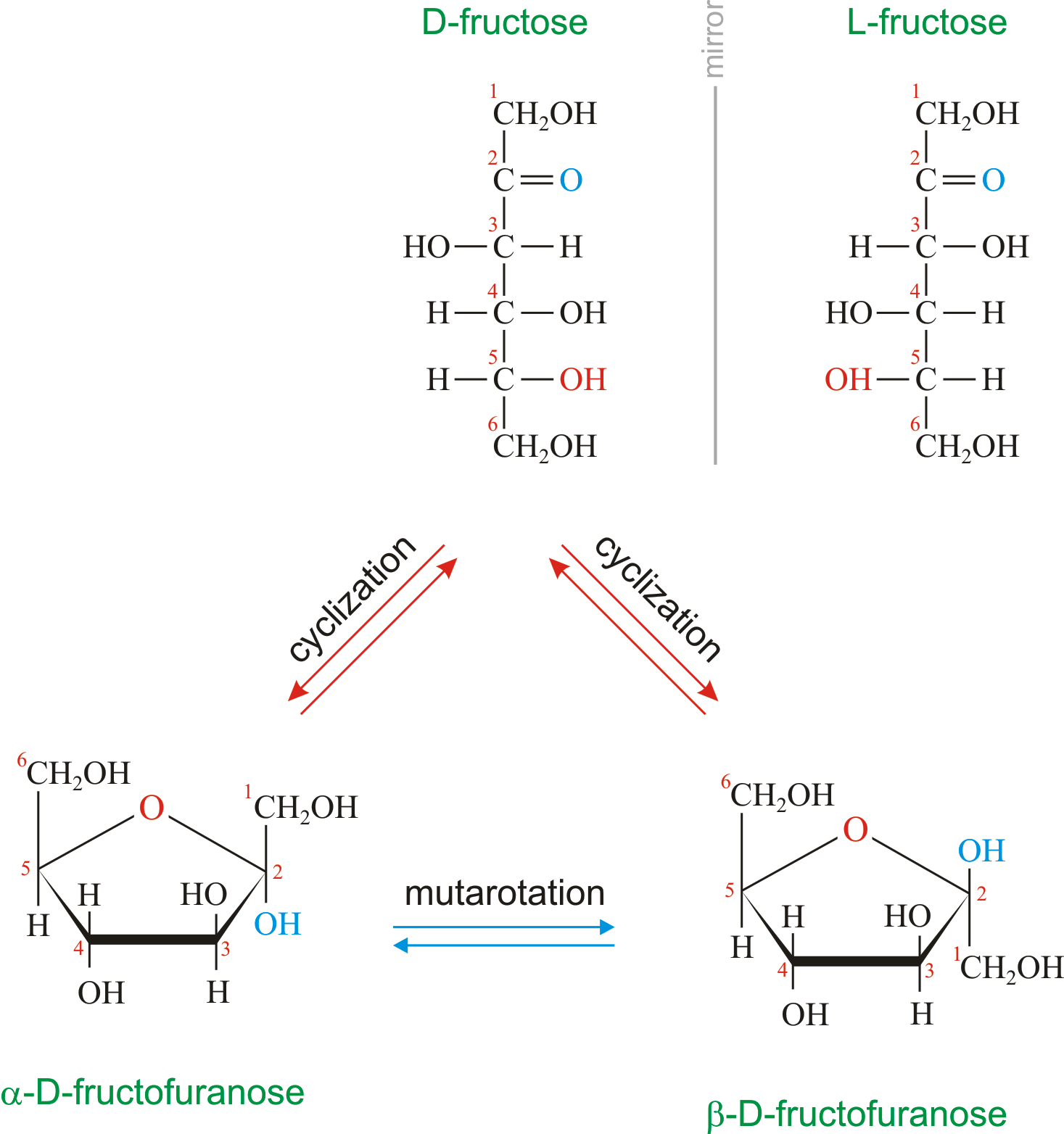
Fructose (fruit sugar) is a ketohexose (a six-carbon ketonic sugar), which occurs in sweet fruits and honey. Glucose and fructose have the same molecular formula, C6H12O6, but have different structures. Pure, dry fructose is a very sweet, white, odorless, crystalline solid. Fructose is one of the sweetest of all sugars and is combined with glucose to make sucrose, or common table sugar. An older common name for fructose is levulose, after its levorotatory property of rotating plane polarized light to the left (in contrast to glucose which is dextrorotatory). The polysaccharide inulin is a polymer of fructose.
graduated pipette → graduirana pipeta
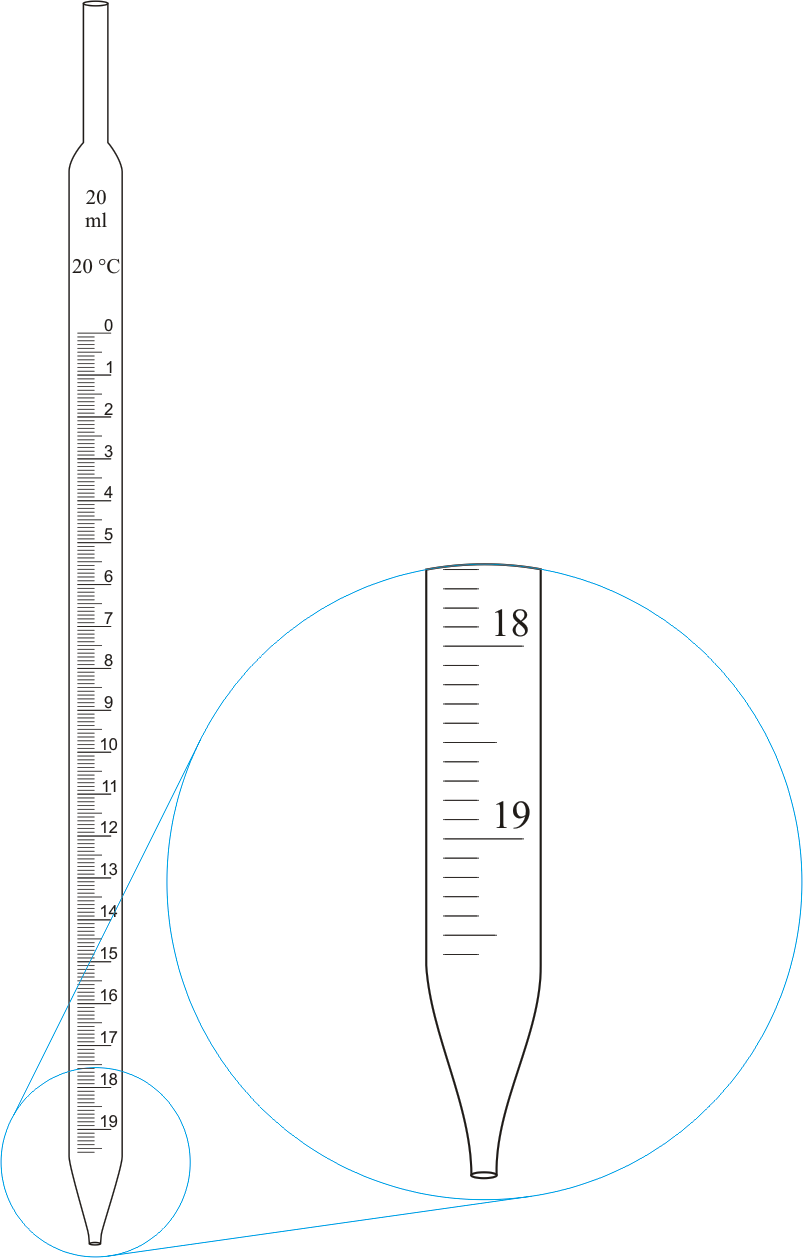
Graduated pipettes (Mohr pipette) have a scale divided into units of one and of 1/10th of a millilitre. Because of their wide necks it is less accurate than the volumetric pipette. They are used when taking volume of solutions in which accuracy does not have to be very high. By sucking in (with mouth, propipette or a water pump) the liquid is pulled in a little bit above the mark and the opening of the pipet is closed with a forefingertip. Outer wall of pipet is wiped and, with a slight forefinger loosening, the liquid is released until it reaches the mark 0. A pipette is emptied out by lifting the forefinger off and letting the liquid flow out of the pipette freely.
plastic welding → varenje plastike
Plastic welding is the fusion of two pieces (usually of the same plastic type) with a directed hot air jet and plastic welding rod. Used increasingly for the manufacture of tanks, floats and other items. Useful for repair of pipework (either temporary or permanent).
Citing this page:
Generalic, Eni. "/tab." Croatian-English Chemistry Dictionary & Glossary. 29 June 2022. KTF-Split. {Date of access}. <https://glossary.periodni.com>.


 English
