
CHEMISTRY GLOSSARY
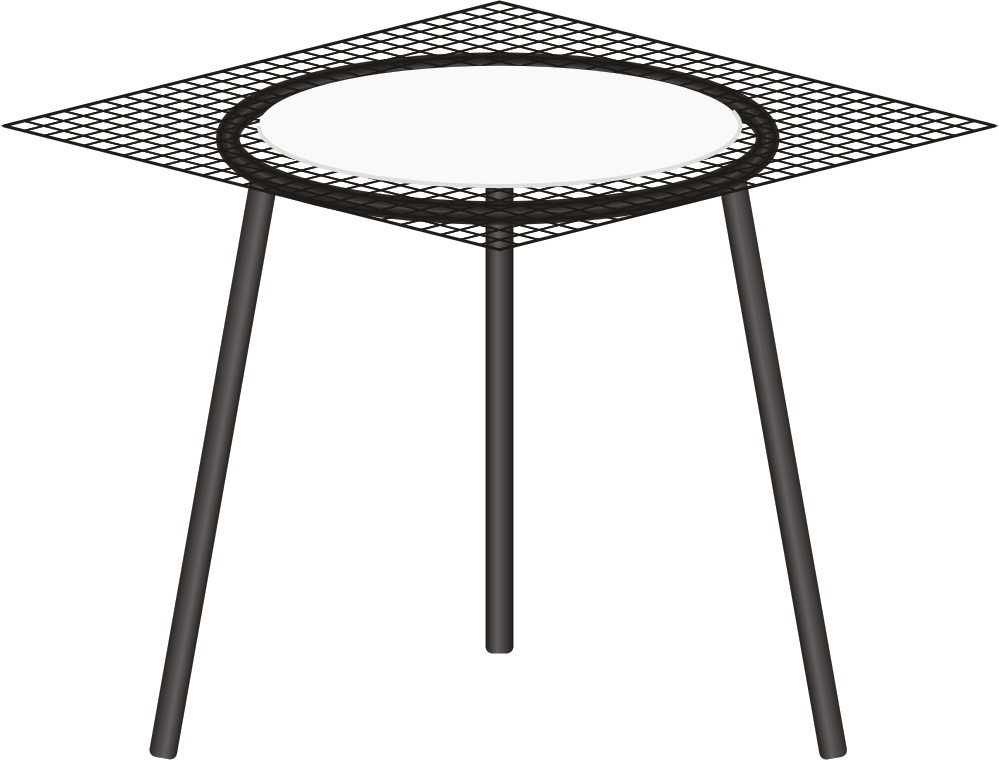
wire mesh → azbestna mrežica
Wire mesh (wire gauze) is used for uniform distribution of flame heat in base of a heated body. It is made of a iron wire strands with or without ceramic interior cores.
water hardness → tvrdoća vode
Hardness is defined as the concentrations of calcium and magnesium ions expressed in terms of calcium carbonate. These minerals in water can cause some everyday problems. They react with soap and produce a deposit called soap curd that remains on the skin and clothes and, because it is insoluble and sticky, cannot be removed by rinsing.
Hard water may also shorten the life of plumbing and water heaters. When water containing calcium carbonate is heated, a hard scale is formed that can plug pipes and coat heating elements. Scale is also a poor heat conductor. With increased deposits on the unit, heat is not transmitted to the water fast enough and overheating of the metal causes failure. Build-up of deposits will also reduce the efficiency of the heating unit, increasing the cost of fuel.
There are two types of water hardness, temporary and permanent.
Temporary Hardness is due to the bicarbonate ion, HCO3-, being present in the water. This type of hardness can be removed by boiling the water to expel the CO2, as indicated by the following equation:
Permanent hardness is due to calcium and magnesium nitrates, sulphates, and chlorides etc. This type of hardness cannot be eliminated by boiling.
| Water supply classification | |
|---|---|
| Hardness | Concentration of Calcium carbonate (mg/L) |
| Soft Water | 0 to 75 |
| Medium Hard Water | 75 to 150 |
| Hard Water | 150 to 300 |
| Very Hard Water | over 300 |
xenon → ksenon
Xenon was discovered by Sir William Ramsay, Morris W. Travers (England) in 1898. The origin of the name comes from the Greek word xenos meaning stranger. It is heavy, colourless, odourless, noble gas. Reacts only with fluorine. Xenon is obtain from the small quantities in liquid air. Used for filling flash lamps and other powerful lamps. Electrical excitation of xenon produces a burst of brilliant white light. Also used in bubble chambers and modern nuclear power reactors.
zeolite → zeolit
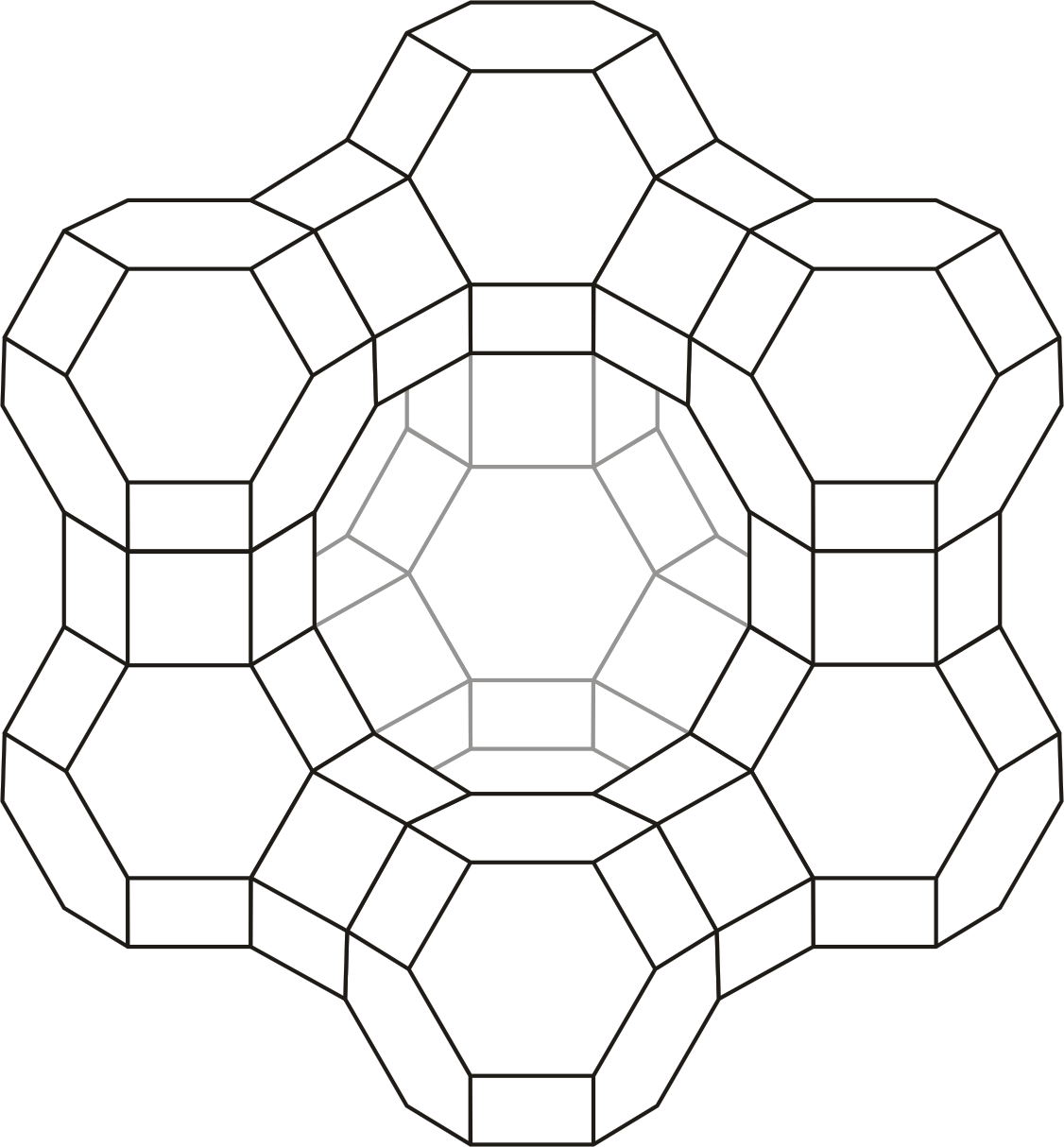
Zeolite is a natural or synthetic hydrated aluminosilicate with an open three-dimensional crystal structure, in which water molecules are held in cavites in the latice. The water can be driven off by heating and the zeolite can then absorb other molecules of suitable size. Zeolites are used for separating mixtures by selective absorption.
Citing this page:
Generalic, Eni. "Reflexive heat sink." Croatian-English Chemistry Dictionary & Glossary. 29 June 2022. KTF-Split. {Date of access}. <https://glossary.periodni.com>.


 English
