
CHEMISTRY GLOSSARY
chemical property → kemijsko svojstvo
Chemical property is a property observed when a substance undergoes a transformation into one or more new substances. Measurement of a chemical property involves a chemical change. For example, determining the flammability of petrol involves burning it, producing carbon dioxide and water.
chemical raw material → kemijske sirovine
Chemical raw material are petroleum fractions used for obtaining organic chemicals, those are mostly refined gas and petroleum or fraction parts of petrol.
cracking → krekiranje
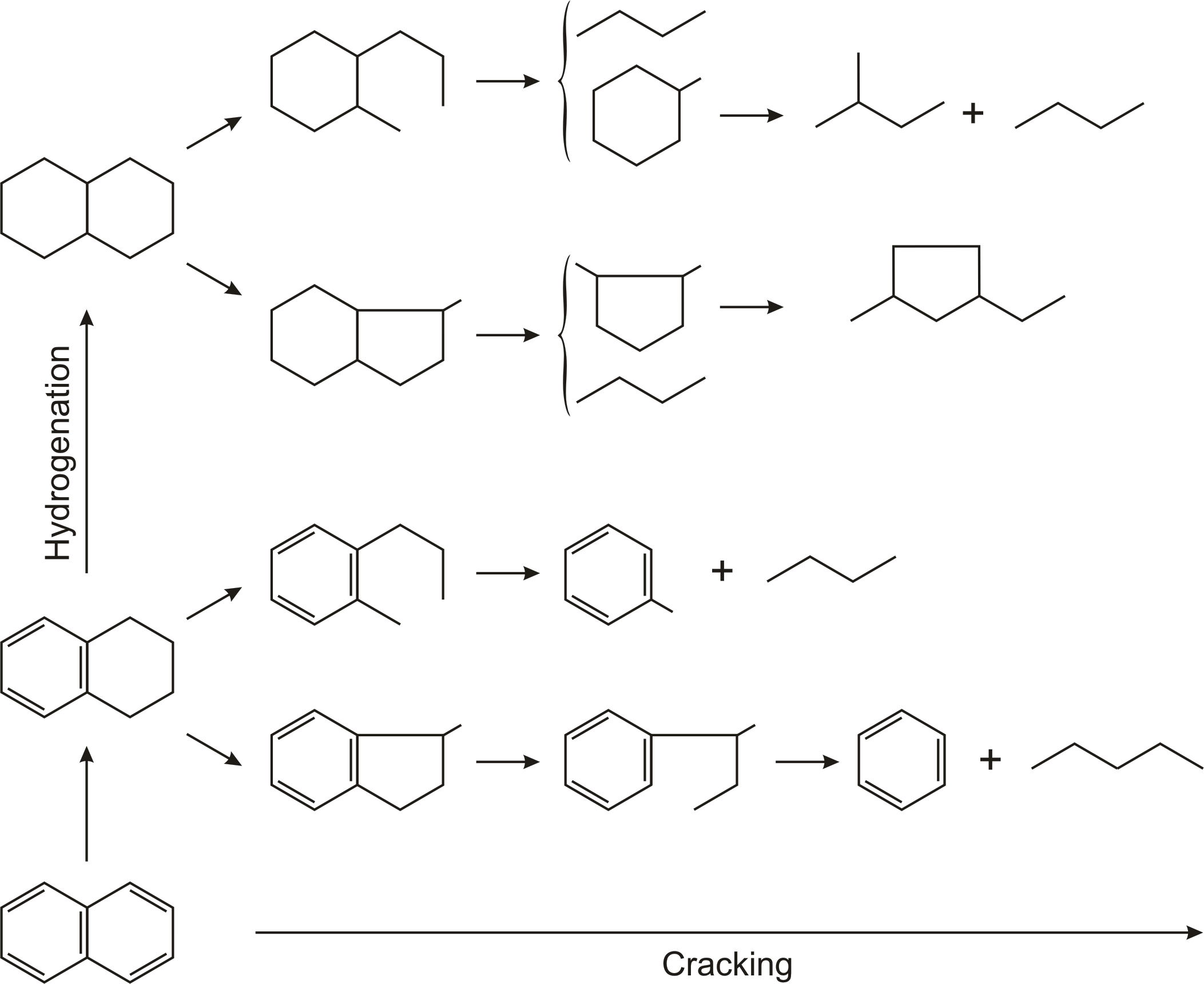
Cracking is the process whereby heavy molecules of petroleum or crude oil are broken down into hydrocarbons of lower molecular weight (especially in the oil-refining process).
crude oil → sirova nafta
Crude oil (petroleum) is a fossil fuel formed from plant and animal remains many million of years ago. It is occasionally found in springs or pools but is usually drilled from wells beneath the earth’s surface. Crude oil is a mixture of hydrocarbons with small quantities of other chemicals such as sulphur, nitrogen and oxygen. Crude is the raw material which is refined into petrol, heating oil, jet fuel, propane, petrochemicals, and other products.

low-weight fractions → lake frakcije
Low-weight (petroleum) fractions have low boiling points and short carbohydrates chains.
mineral oils → mineralna ulja
Mineral oils are oily liquids that are composed of hydrocarbons and are obtained as a product of petroleum, tar, coal, wood etc. distillation. They are used as lubricants.
Citing this page:
Generalic, Eni. "Petrol." Croatian-English Chemistry Dictionary & Glossary. 29 June 2022. KTF-Split. {Date of access}. <https://glossary.periodni.com>.


 English
