
CHEMISTRY GLOSSARY
polar solvent → polarno otapalo
Polar solvent is a liquid with polar molecules which dissolves polar compounds, because the charges on the endings of the solvent’s molecules attract the elements from ion crystals.
protein → bjelančevina
Proteins are natural organic compounds of animal or herbal origin, essential in diet. They are natural polymers developed from a crowd of interconnecting monomers of amino acids, with relative molecular masses amounting up to a few million.
Haber process → Haberov proces
Haber process is an industrial process for producing ammonia by reaction of nitrogen with hydrogen:
The reaction is reversible and exothermic, so that a high yield of ammonia is favoured by low temperature. However, the rate of reaction would be too slow for equilibrium to be reached at normal temperatures, so an optimum temperature of about 450 °C is used, with a catalyst of iron containing potassium aluminium oxide promoters. The higher the pressure the greater the yield, although there are technical difficulties in using very high pressures. A pressure of about 250 atmospheres is commonly employed. The removal of ammonia from the batch as soon as it is formed ensures that an equilibrium favouring product formation is maintained. The nitrogen is obtained from air. Formerly, the hydrogen was from water gas and the water-gas shift reaction (the Bosch process) but now the raw material (called synthesis gas) is obtained by steam reforming natural gas.
The process is of immense importance for the fixation of nitrogen for fertilisers and explosives. It was developed in 1908 by German chemist Fritz Haber (1868-1934) and was developed for industrial use by Carl Bosch (1874-1940), hence the alternative name Haber-Bosch process.
half-cell → polučlanak
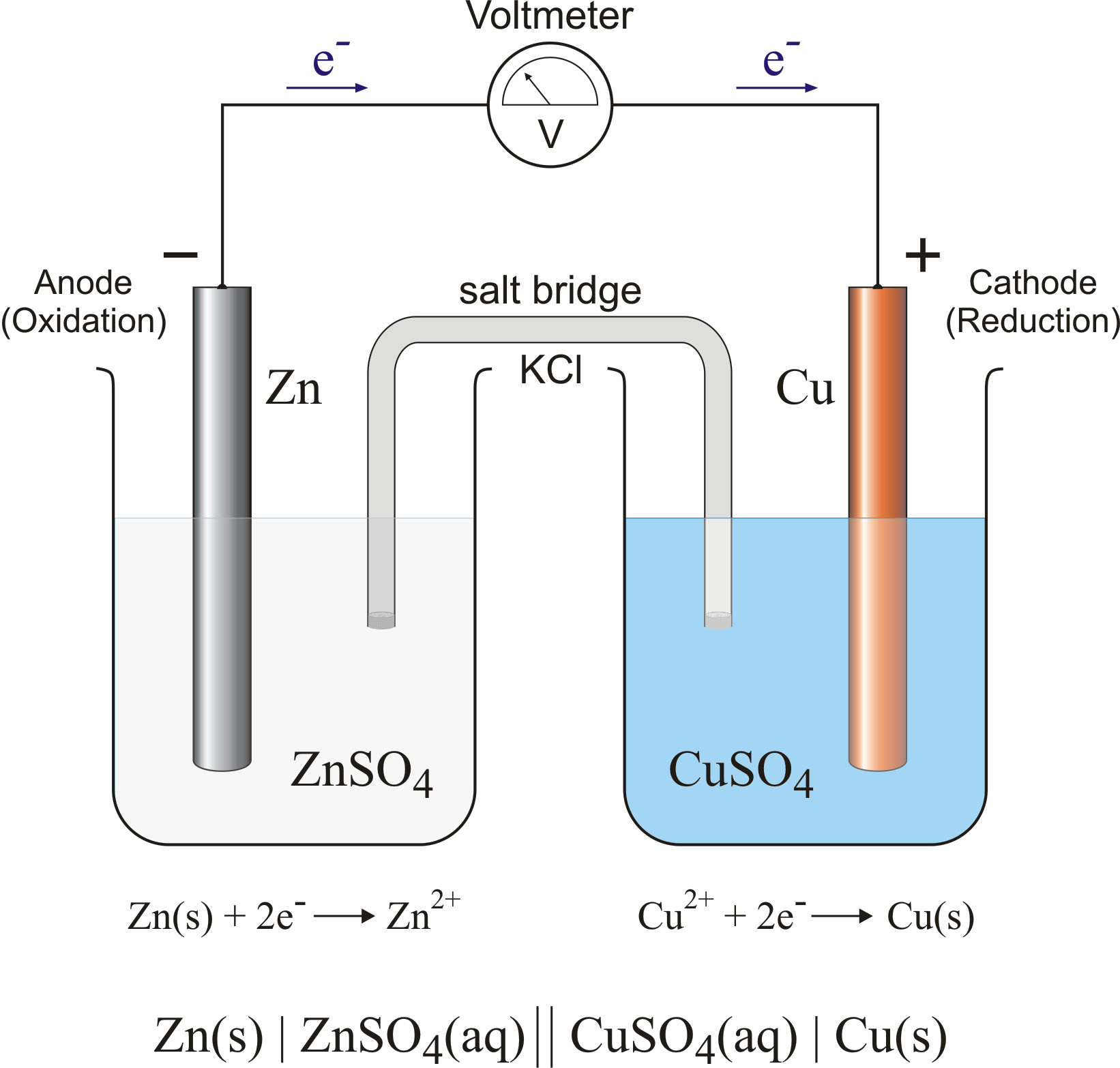
Half-cell is a part of galvanic cell in which oxidations or reduction of an element in contact with water or water solution one of its compounds.
half-wave potential → poluvalni potencijal
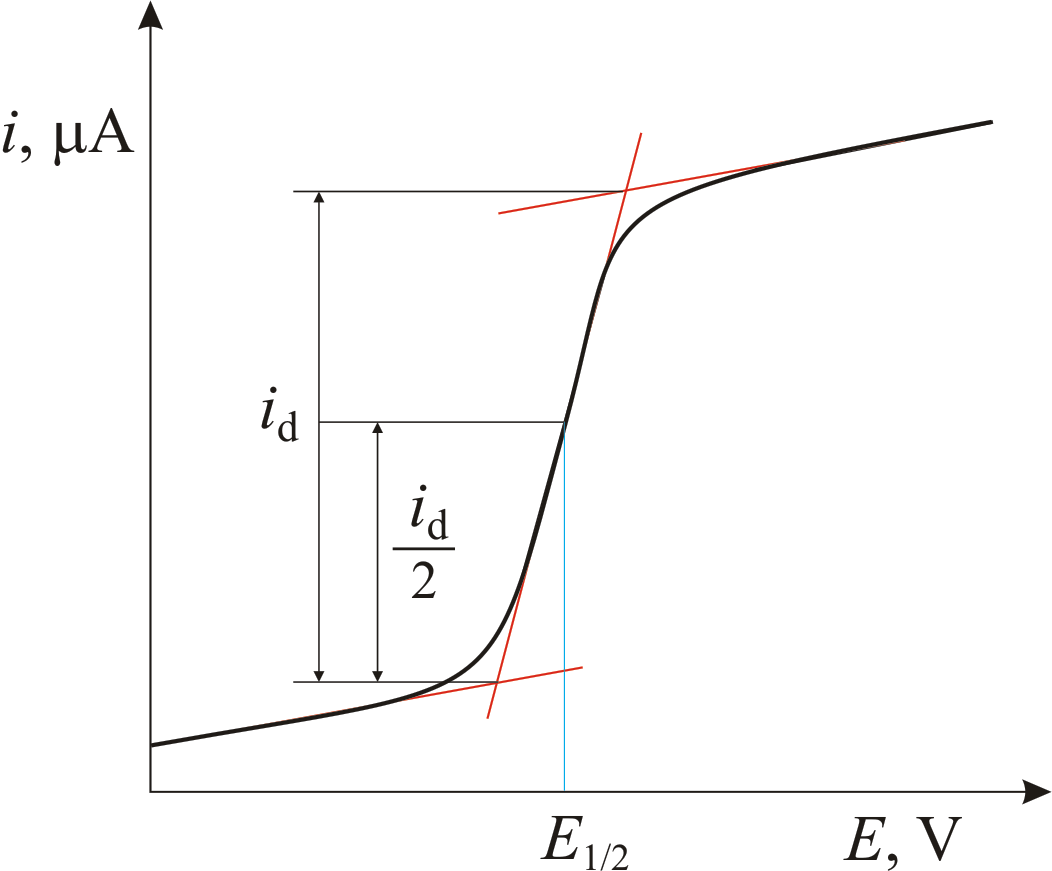
Half-wave potential (E1/2) is a potential at which polarographic wave current is equal to one half of diffusion current (id). In a given supporting electrolyte, the half-wave potential is unique for each element and its different valence states and chemical forms. Observation of a current peak at a specific half-wave potential therefore identifies the chemical species producing the current.
psychoactive drug → psihoaktivna droga
Psychoactive drugs are natural (mescaline) or synthetic substances (LSD) which take effect on central nervous system causing euphoria, and by lengthened use they also cause addiction, gradually destroying the nervous system.
radioactivity → radioaktivnost
Radioactivity is capability of a spontaneous decay of an atom. In this way a new atom type is formed and radioactive radiation is released. An atom can emit three types of radioactive radiation: positive α-radiation, negative β-radiation and electrically neutral γ-radiation. During radioactive decay one element never emits all types of radiation at the same time.
reaction layer → reakcijski sloj
Reaction layer (in electrochemistry) is that layer of solution adjacent to an electrode within which a stationary distribution of electroactive species is established as the result of homogeneous reaction.
reaction mechanism → reakcijski mehanizam
Reaction mechanism is a list of all elementary reactions that occur in the course of an overall chemical reaction.
halocarbon → halogenirani ugljikovodik
Halocarbon is a compound containing no elements other than carbon, one or more halogens, and sometimes hydrogen. The simplest are compounds such as tetrachloromethane (CCl4), tetrabromomethane (CBr4), etc. The lower members of the various homologous series are used as refrigerants, propellant gases, fireextinguishing agents, and blowing agents for urethane foams. When polymerized, they yield plastics characterized by extreme chemical resistance, high electrical resistivity, and good heat resistance.
Citing this page:
Generalic, Eni. "Distribution of elements in nature." Croatian-English Chemistry Dictionary & Glossary. 29 June 2022. KTF-Split. {Date of access}. <https://glossary.periodni.com>.


 English
