
CHEMISTRY GLOSSARY
Results 1–10 of 10 for ethers
ether → eter
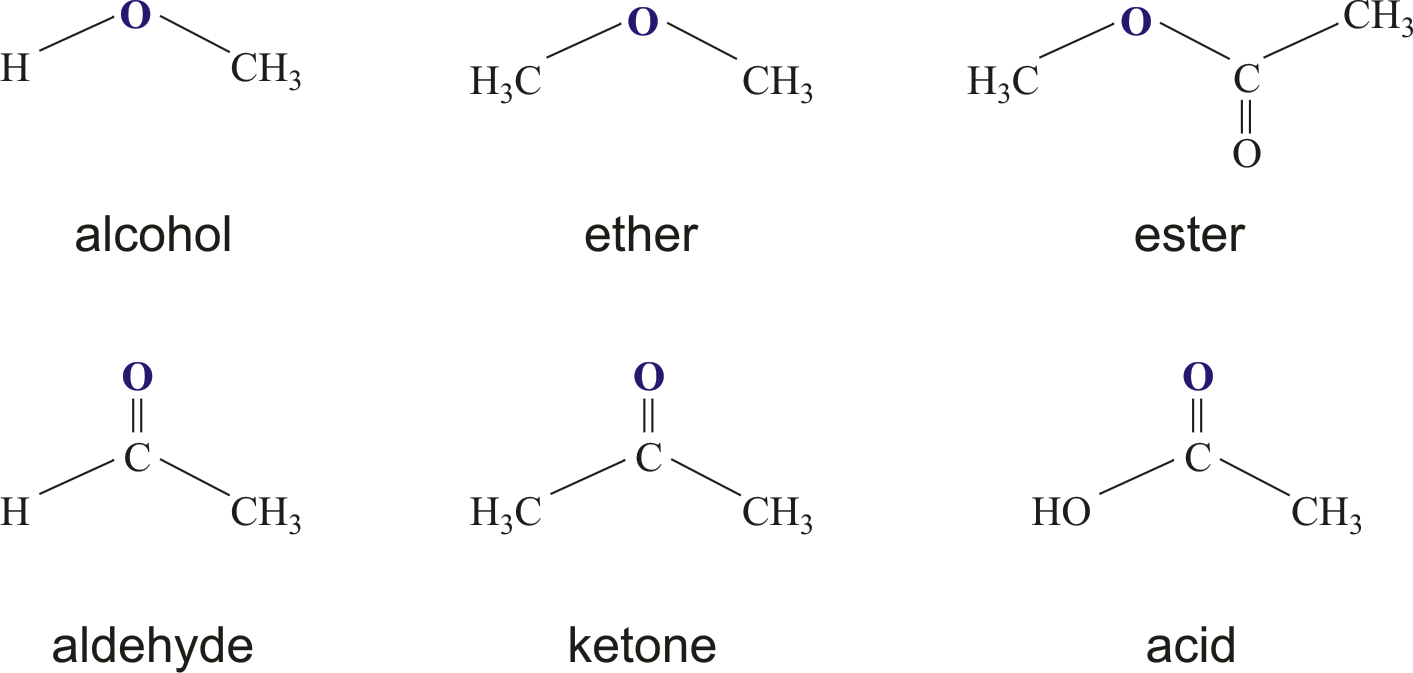
Ethers are organic compounds with a formula R-O-R, where R is not equal to H. They may be derived from alcohols by elimination of water, but the major method is catalytic hydration of olefins. They are volatile highly flammable compounds; when containing peroxides they can detonate on heating. The term ether is often used synonymously with diethyl ether.
petroleum ether → petroleter
Petroleum ether is the petroleum fraction consisting of C5 and C6 hydrocarbons and boiling in the range 35 °C to 60 °C; commonly used as a laboratory solvent.
autoxidation → autooksidacija
Autoxidation, autooxidation is a oxidation is caused by exposure to air. Rust is an example of autoxidation. Autoxidation makes ether taken from half-filled bottles very dangerous, because air oxidises ether to highly explosive organic peroxides.
epoxy resin → epoksi smola
Epoxy resins are thermosetting resins produced by copolymerising epoxide compounds with phenols (e.g. epichlorohydrin and bisphenol A). They contain ether linkages (-O-) and form a tight, cross-linked polymer network. Toughness, good adhesion, corrosive-chemical resistance, and good dielectric properties characterise epoxy resins. Most epoxy resins are two-part types which harden when blended.
structural isomer → strukturni izomer
Structural isomers are compounds that have the same formula, but different constituents. Dimethyl ether (CH3OCH3) and ethanol (CH3CH2OH), for example, are constitutional isomers with general formula C3H6O.
styrene → stiren
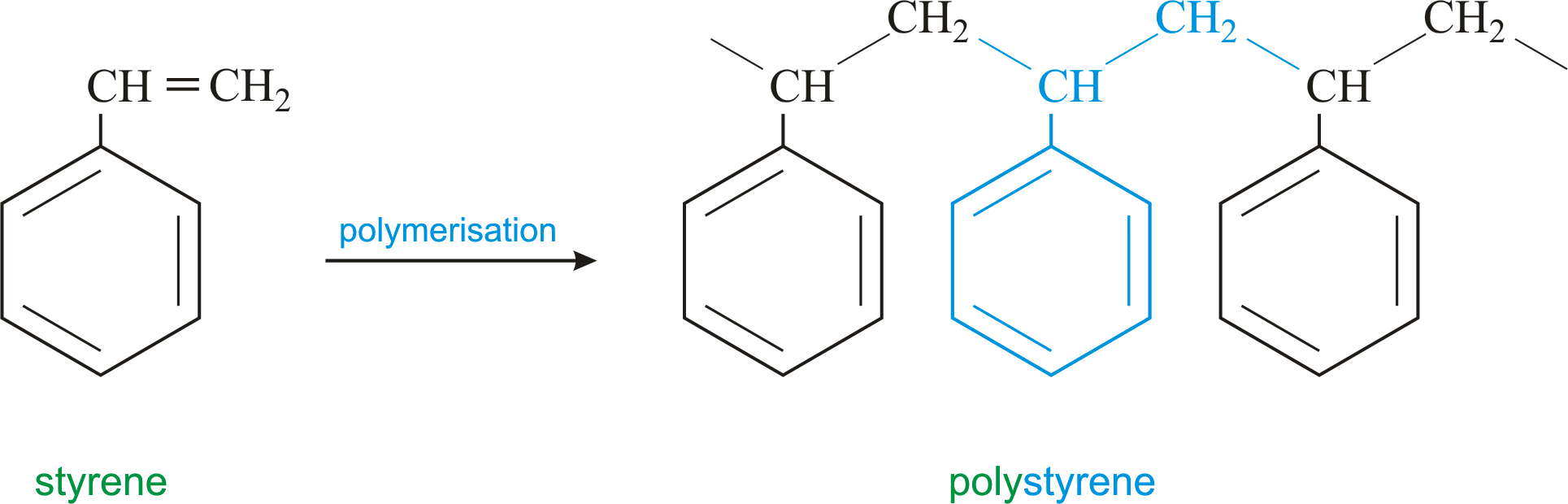
Styrene is an unsaturated hydrocarbon (C6H5OC2H3O) colourless, toxic liquid with a strong aromatic aroma. It is soluble in alcohol, ether, acetone, and carbon disulfide, but dissolves only slightly in water. It is used to make plastics such as polystyrene, ABS, styrene-butadiene rubber styrene-butadiene latex and unsaturated polyesters.
Citing this page:
Generalic, Eni. "Ethers." Croatian-English Chemistry Dictionary & Glossary. 29 June 2022. KTF-Split. {Date of access}. <https://glossary.periodni.com>.


 English
